Meet Maybelle.
An oral history AI. Maybelle finds the people who were there, brings them together, and keeps what they remember.
Asks like a reporter. Listens like a neighbor. Says up front that Maybelle is an AI.
Oral history used to wait for someone to show up.
One name at a time.
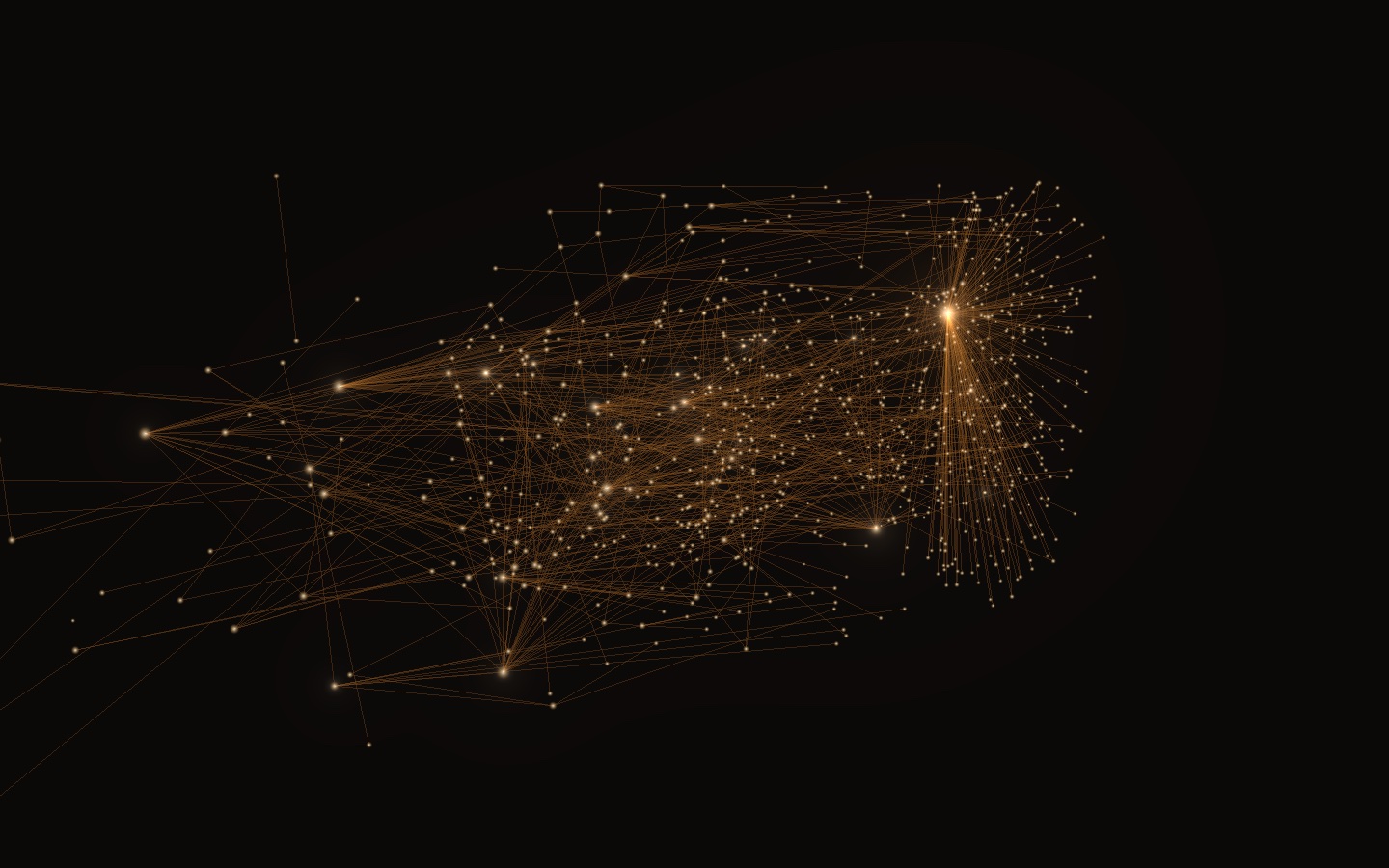
Each spike gathers the people who knew one person: 21 conversations, all about them.
The first is Harold Bradley.
LIVE · EACH SPIKE HAS ITS OWN PAGE
People who knew or worked with Harold Bradley, and people whose own music Harold Bradley shaped talk with each other, two at a time.
Every spike runs the same five steps.
Here is Harold Bradley’s, from the first invitation to the next name.
Maybelle finds who was there.
Few people have told Harold Bradley’s story firsthand. Joe Glaser and Andy Reiss could.
WHY IT MATTERSThe people who remember are getting older, and most were never asked.
PARTIAL · A PERSON PICKED THE NAME
SCROLL TO PLAY · WHERE TO LOOK NEXT
Maybelle picks who should talk together.
People who haven’t met, who saw the same thing from different sides.
WHY IT MATTERSTwo people who saw it from different sides tell the fuller story.
PROTOTYPE · AN EXAMPLE FROM ANOTHER SPIKE
1,493 possible matches. Maybelle picks two.
Maybelle watches the calendar and the news.
Each one says whose story people will want next, and who to ask.
WHY IT MATTERSPeople are readier to talk when the story is already on their minds.
PLANNED · DESIGNED, NOT BUILT
Maybelle invites them into his story.
Not to an interview. To be part of someone else’s story.
Nobody is put together until both say yes.
WHY IT MATTERSPeople are asked as witnesses to someone else’s story, never as the subject.
LIVE · THIS INVITATION IS A DEMO
SCROLL TO PLAY · THE HAROLD BRADLEY INVITATION
A Round: they talk, Maybelle listens.
Two people who were there remember more together than either does alone.
Every new name that comes up is someone to ask next.
WHY IT MATTERSPeople say more to each other than to an interviewer.
BUILT
SCROLL TO PLAY · ANDY REISS AND JOE GLASER
Names light up as they’re said.
Afterwards, each person gets one suggestion for their next conversation.
WHY IT MATTERSEvery Round points to the next people to ask.
BUILT · ROUNDS OF TWO · ROUNDS OF 3 TO 5 PLANNED
SCROLL TO PLAY · RAY KENNEDY AND JOE GLASER
Then Maybelle checks it.
What several people agree on is marked checked.
What they disagree on keeps both sides, each with a name.
WHY IT MATTERSA memory several people agree on can be trusted, and a disagreement isn’t lost.
PARTIAL
SCROLL TO PLAY · CHECKING THE STORIES
Every memory keeps its source.
Nothing goes up under anyone’s name until a person says yes.
WHY IT MATTERSA museum, a label or a family can see where every line came from.
BUILT · APPROVAL BY A PERSON
One sentence, kept.
Now anyone can follow the line from Andy Reiss to Harold Bradley to “I Fall to Pieces.”
WHY IT MATTERSEach Round adds to everything already in the Living Memory.
BUILT · THIS DRAWING ILLUSTRATES THE STEP
Then people hear it.
In a museum, a visitor picks a name and hears the story in the teller’s own voice, with permission.
WHY IT MATTERSA visitor hears it from the person who was there.
BUILT · SOFTWARE · NO HARDWARE YET
SCROLL TO PLAY · IN A CORNER OF THE HALL
Next to the guitar, the people who knew it.
The same stories feed books, films and rooms.
And every Round names the next people to ask.
WHY IT MATTERSOne story, told once, reaches a room, a page and a screen.
BUILT · SOFTWARE · NO HARDWARE YET
SCROLL TO PLAY · THE MUSEUM ROOM
Anyone can ask Maybelle.
Type a name to see what is known and where it leads.
Know something that is missing? Maybelle keeps it.
WHY IT MATTERSAnyone can explore, and add what’s missing.
PARTIAL · LIVE BY INVITATION · EXAMPLE CONVERSATION
SCROLL TO PLAY · EXPLORING HAROLD BRADLEY
Where it stands today.
LIVE people use it now, by invitation.
BUILT it works and is tested, not public yet.
PLANNED designed, not built.
What comes next.
Harold Bradley is the first spike. The team’s plan is a series of them.